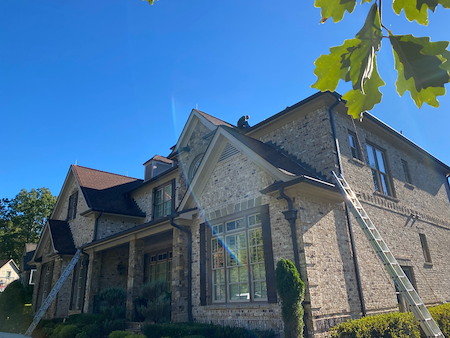
Spring and summer in Central Indiana bring fast-moving storms, booming thunder, and frequent lightning. A complete lightning protection system gives that energy a safe path away from your house so it does not ignite the roof, split rafters, or fry your electronics. If you want a simple, proven way to lower risk before the next storm line forms, learn how professional lightning rod installation protects your home and everything inside it.
Lightning is powerful, fast, and unpredictable. Your goal is not to “stop” it. Your goal is to control it. A residential system creates a preferred route for the strike and moves it into the ground before it can spark a fire or surge through wiring.
When installed and bonded by a qualified team, these parts work like lanes on a highway. The current takes the designed route, not the path through framing, shingles, or copper plumbing.
From April through August, pop-up cells can roll across Marion and Hamilton counties with little warning. Neighborhoods like Carmel, Fishers, Zionsville, Greenwood, and Lawrence often see quick shifts from sunny skies to fast-moving thunderheads. With taller homes, metal roofs, long ridge lines, and big shade trees right next to the structure, many properties have multiple strike points. That mix makes a controlled path for lightning essential.
Do not wait for the first big storm to test your roof and wiring. A well-designed system stands ready every time the forecast turns stormy, not just during peak weeks.
Fires, torn shingles, split framing members, and damaged electronics can trigger long repairs and lost time. The right protection helps you avoid those headaches.
Want a simple overview you can share with your family? Explore how lightning protection systems work and why they are a smart part of home safety planning.
Modern homes rely on sensitive boards inside HVAC systems, appliances, routers, and entertainment gear. A nearby strike can send a surge through utility lines or the ground and into those boards. Whole-home surge protection paired with roof-mounted lightning rods helps create a coordinated defense. Power strips alone are not designed to handle the unique energy of a lightning strike, so treat them as a convenience, not your main protection.
Some properties should be prioritized sooner rather than later. If any of these fit your home, consider getting protected before peak summer storms:
Curious what a tailored layout would look like on your roof? A custom plan maps air terminals and routing to your exact ridges, dormers, and additions. Learn how a pro plans coverage with lightning rod system design made for your home’s geometry and soil conditions.
Imagine a two-story home in Fishers with a steep main ridge, a tall chimney, and a metal-roofed porch. Air terminals line the main ridge and secondary ridges. Bonding conductors tie metal features into the system. Two downleads route along low-visibility corners to the grounding. Inside, panel-mounted surge protection helps guard the HVAC board and major appliances. The result is a shield you cannot easily see from the street, but one that stands ready when skies turn black and the wind picks up.
Appearance matters to homeowners. Modern hardware sits low, follows the lines of the roof, and is installed with care to protect shingles and trim. The goal is reliable performance and clean curb appeal, all at once.
While systems are built to last, Indiana weather is hard on every rooftop. After severe wind, hail, or falling limbs, it is smart to have a professional check that terminals, brackets, and conductors are still where they should be. For a deeper look at upkeep, read this clear homeowner guide on inspecting and maintaining your lightning rod so you know what a pro will review after big storms.
Never climb onto your roof for an inspection. Roof work is hazardous and improper handling can weaken system performance. Schedule a visit and let trained technicians evaluate connections, bonding points, and grounding.
Proper spacing, bonding, routing, and grounding separate a safe home from a risky one. That is why professional installation is key. A certified team understands roof geometry, soil conditions, and placement that avoids hidden weak spots. If you are planning protection for a new build in Zionsville or adding coverage to a historic home in Meridian-Kessler, pro design plus verified installation is the safest path forward. When you are ready to move ahead, the clearest next step is a short, on-site assessment. You can start by reviewing what is included with lightning protection installation so you know how the process works from first visit to final testing.
Most homes follow a straightforward plan. The team will walk the property, measure ridges and high points, identify metal features to bond, look at service entrances, and mark downlead routes that protect appearance and access. Then they size conductors, set grounding locations, and schedule a day when weather allows safe roof work. After installation, connections are tested and documented for your records. If you later add a porch, change roofing, or remodel, the system can be adjusted to maintain coverage.
Across Indianapolis and the surrounding suburbs, families tell us the same thing after their first storm with a system in place: less anxiety, fewer “what ifs,” and a home that feels ready. That peace of mind is hard to measure, but it is real on a night when lightning pops over the White River or a summer line races up I‑65 and darkens the sky in minutes.
When warm, humid air settles over Indiana, thunderstorms fire up fast. That is why spring and summer are the peak months for dangerous cloud-to-ground lightning. If you want reliable, year-round protection before the storm cycle ramps up, talk to Hamilton Lightning Protection about a professionally engineered […]
Spring and summer in Central Indiana bring fast-moving storms, booming thunder, and frequent lightning. A complete lightning protection system gives that energy a safe path away from your house so it does not ignite the roof, split rafters, or fry your electronics. If you want a […]

